
Published September 14, 2026
Updated September 14, 2026
The Levels of South Dakota Pheasant Hunting Experiences
Things to consider when planning your pheasant hunting vacation.
Originally written by Chris Hitzeman in 2008, updated 2026. This is the framework UGUIDE's own camp structure and availability schedule are built around.
Prior to 2001, nearly all my pheasant hunting happened in Iowa or Minnesota — I'd never set foot in South Dakota. I assumed Iowa and South Dakota were comparable, but you can't really make that call until you've hunted both. South Dakota turned out to be in a league of its own, and there are more ways to experience a South Dakota pheasant hunt than most hunters realize. What follows is meant to help you tell those ways apart.
Level 1 — Motels, Restaurants and Public Ground
This is where most pheasant hunters get their start. I hunted this way in Iowa for 20 years: travel 4-5 hours one way, stay a night in a motel, eat in cafes and diners, hunt public land, road ditches and sloughs, and head home dead tired. Some great experiences can be had at this level, but it takes leg work, miles, and learning from trial and error. I recommend everyone spend time here — and for hunters constrained by group size or budget, it's still a great option.
Level 2 — Private Land, No Fees
This level and the next carry the most controversy around private-land access "drying up." Habitat is expensive, and there's no such thing as truly free land access — if a landowner creates habitat and charges nothing, that cost is coming straight out of his pocket, which isn't sustainable long-term. Where hunters are willing to build real relationships with landowners, good access can still be had here.
Level 3 — Private Land, Trespass Fees
This is paying a landowner who hasn't invested any special energy in habitat, but who controls land hunters want and charges a fee for access. You won't find these listed in the outdoor magazines — you'll find them through local word of mouth. Rates are typically the lowest you'll find, with no assurances about pressure or habitat quality.
Level 4 — Private Land, Season-Long Lease
Here the hunter controls the acreage exclusively for the whole season. The landowner deals with only one hunting party, lowering their management burden; the hunter gets affordable, exclusive access if the group can use the whole property and afford tying it up for a season. Habitat quality can run lower here, since the landowner has less incentive to reinvest in the land.
Level 5 — Pheasant Hunting Preserves (Released Birds)
Similar to a local game farm — pen-raised birds are released, though South Dakota preserves also produce genuine wild-bird harvests alongside them. Preserves run September through March with daily, multi-day and season-long license options, generally at lower cost and higher limits than a wild-bird hunt. Some preserves market themselves as "wild bird" operations — if you're traveling from out of state specifically for wild birds, know the difference before you book. Many preserves do offer excellent lodging, dining and all-inclusive service.
Level 6 — Self-Guided Pheasant Hunting, Wild Birds (Fair Chase)
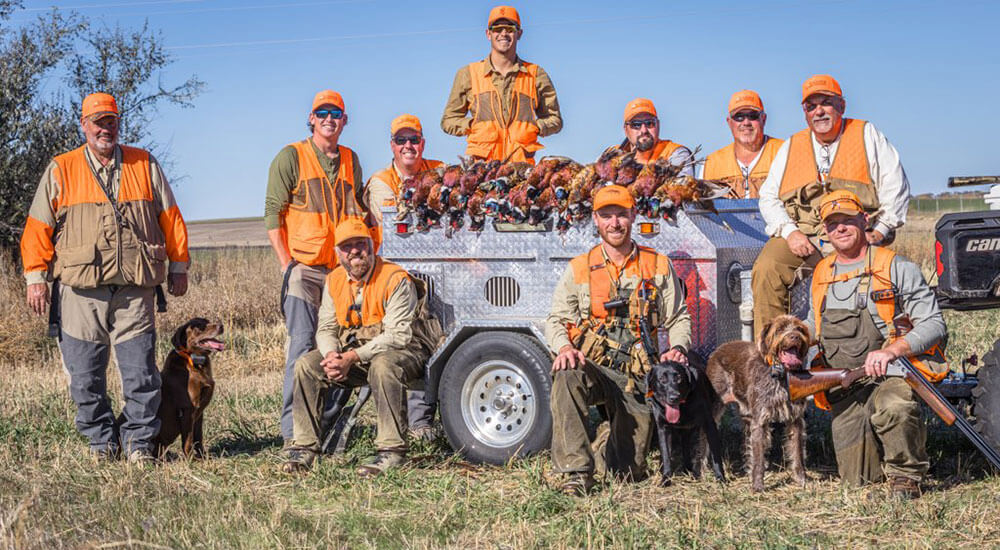
This is what UGUIDE is built around. When I came to South Dakota, I wanted to own land so I could create and control above-average habitat for an above-average wild bird hunt — and to stay on the property I hunted instead of driving all over the state. With wild birds, you have to manage pressure: rest the ground more than you hunt it, and maintain a higher level of habitat to attract and hold birds. Not many operations are willing to manage to this level. UGUIDE has found a way to make that work for both landowners and hunters — landowners invest in habitat because they know hunters are there to help fund it, and hunters get a real wild-bird experience without owning the land themselves.
Level 7 — Guided Pheasant Hunting, Wild Birds
If you don't have a dog, or you're new to the sport, this is often the best option. A good guide and a top-quality dog can make or break a hunt. The challenge is finding one — the good operations tend to be booked a year or more out, and land costs push some guides toward preserves or combined groups to make the economics work. Do your homework.
Level 8 — Guided Pheasant Hunting, the All-Inclusive Hunt Lodge
The top end of the market — full-service operations built for hunters who want every detail handled, at a price to match.
Whatever level fits your budget and time, it's out there waiting for you in South Dakota. I hope you find a new tradition pursuing the wily ringneck.
This is exactly why the schedule is built the way it is. See the current UGUIDE Availability Schedule.